Your Cart is Empty



Short Answer:Most homes need a fresh coat of paint every 5–10 years outside and 7–10 years inside. Your actual timeline depends on paint quality, climate, and the material you’re painting. Knowing the early warning signs helps you repaint before damage sets in, and before small issues become expensive repairs.
Paint does more than give your home a clean, updated look. It acts as a protective layer that shields your siding and walls from moisture, sun, and everyday wear. When that layer weakens, your home becomes vulnerable to rot, mold, and structural damage. And here in Texas, intense weather conditions, such as heat and strong UV rays, tend to speed up the aging process.

Exterior house paint works the hardest. Sun, rain, and temperature swings all chip away at its lifespan. Your home will need an exterior painting refresh, depending on the material of your home:
Wood siding: 5–7 years
Vinyl or aluminum siding: 7–10 years
Brick or stucco: 8–12 years
Trim & doors: 3–5 years
Wood tends to wear faster because it expands and contracts with moisture and temperature changes. Materials like brick and stucco are more stable, so they hold paint longer.
Inside, paint lasts longer but still depends on how the space is used.
Bedrooms & living rooms: 5-7 years
Kitchens, bathrooms: 3–4 years
Kids’ rooms, hallways: 2-3 years
High-traffic and high-humidity areas show wear much faster; think splashes, steam, fingerprints, and general commotion.

Even the best paint won’t last if it isn’t applied correctly. A long-lasting paint job usually comes down to a few key things:
Proper preparation: Cleaning, scraping, sanding, and priming give paint something solid to grip onto.
Paint quality: Higher-quality formulas resist fading, peeling, and UV damage far better.
Climate and exposure: Homes in hot, sunny, or humid environments need repainting sooner.
Surface type: Porous or flexible surfaces (like wood) age faster than stable ones (like brick).
Good prep and premium paint can easily add several years to your repainting timeline.
Some of the earliest signs show up long before the paint starts visibly peeling, including:
Fading or chalking: Color looks dull or leaves a powdery residue. UV damage has begun.
Cracking or peeling: Paint is losing its grip, allowing moisture underneath.
Bubbling or blistering: A sign of trapped moisture or painting over a wet surface.
Bare wood or exposed substrate: Immediate repainting is needed; unprotected surfaces absorb water quickly.
Mold or mildew: Persistent growth means the paint is no longer keeping moisture out.
Failed caulk: Gaps around doors and windows let water in and weaken the surrounding paint.
Inside the home, the clues are more subtle but just as important.
Stains and scuffs that no longer clean off
Patchy areas from repeated touch-ups
Fine cracking in the paint surface
Water stains from leaks
Colors or finishes that feel dated or dull
Some issues, like dirt, fingerprints, or light scuffs, can be fixed with a simple cleaning. Small chips can sometimes be touched up.
More serious issues, like widespread peeling, mold, bubbling, or exposed wood, signal that the paint system has failed. These problems allow moisture to creep behind the paint, turning a simple paint job into a repair job if you wait too long.
Austin’s climate isn’t gentle on paint. The combination of intense sunlight, high heat, humidity, and seasonal storms puts stress on exterior surfaces year-round.
Sun-facing sides, especially the south and west, fade faster than any other part of your home. Meanwhile, shaded areas often trap moisture and develop mildew. Under the eaves, where surfaces stay dry and shaded, paint usually lasts the longest. Any area exposed to sprinklers, pool water, or constant moisture may need repainting more frequently.
Local factors also play a role. Homes near lakes or creeks deal with elevated humidity. Dust and pollution in urban areas cling to walls and hold moisture against the paint.
You can’t control the weather, but you can choose products and routines that help your paint last longer.
Start with high-quality, UV-resistant paint, especially important in sunny climates. Choose acrylic latex paints for durability and flexibility.
Proper preparation is just as important as the paint itself. Clean the surface thoroughly, remove loose paint,prime bare wood or metal, and allow each coat to dry completely.
You can also extend longevity with simple maintenance:
Rinse your home’s exterior walls annually to remove dirt and mildew.
Repair small cracks and touch up peeling edges right away.
Re-caulk windows and doors every 2–3 years.
Trim back bushes and trees to prevent moisture from staying trapped against siding.
Painting during spring or fall gives you ideal temperatures for proper curing. Paint applied in extreme heat or humidity won’t bond as well or last as long.
A proactive plan saves money and helps you avoid major repairs down the line.
Take a lap around your home each spring. Look for any signs of fading, cracking, peeling, or caulk separation. Indoors, give your walls a quick inspection twice a year; moisture-prone rooms deserve extra attention. Photographs help you track slow changes more accurately.
Moisture-related issues should always jump to the front of the line. A bubbling patch near a gutter or a peeling spot around a bathroom window means water is getting in and causing damage.
Inside, repaint high-traffic areas before the walls are overly worn. It saves time, materials, and effort in the long run.
On the exterior, if more than about a third of the surfaces show wear, a full repaint is more efficient than trying to patch every problem spot.
Some paint issues are beyond DIY. Extensive peeling, large cracks, wood rot, recurring moisture problems, or old homes with many layers of paint all require professional attention. Askilled painter knows how to prep surfaces correctly, diagnose moisture sources, and apply products designed for your specific climate.
Exterior repaints for most medium-sized homes range from$1,819 - $4,551, while interior rooms typically cost$2-6 per square foot. Premium paints cost more upfront but need fewer repaints over time, making them the more cost-effective option.
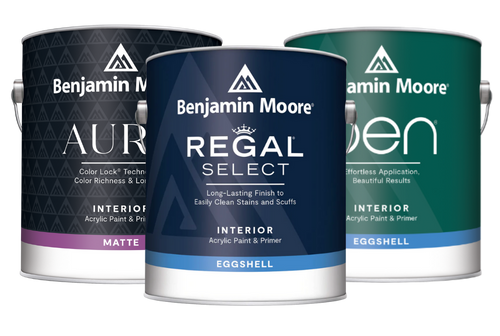
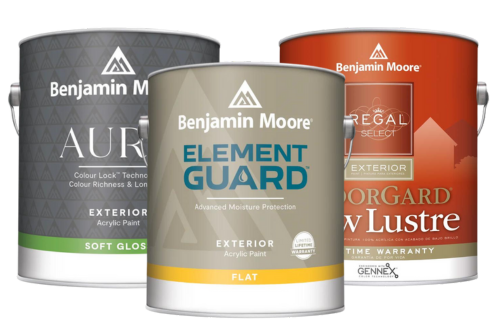
Benjamin Moore paints, available atClement’s Paint, are engineered for durability, rich color, and strong UV resistance. They hold up exceptionally well in Texas weather. If you’re managing a budget, consider painting the most weather-beaten sides first and tackling the rest later.

Knowing when to repaint your home comes down to recognizing early warning signs and understanding how climate affects paint longevity. While most homeowners follow the 5–10 year exterior and 7–10 year interior repainting cycle, Austin’s heat and humidity can shorten those timelines on exposed surfaces.
Regular upkeep, washing, caulking, and small repairs keep your paint performing well and protect your home from bigger issues down the road. And when it’s time for a full repaint, high-quality products and thoughtful application make all the difference.
Clement’s Paint, Austin’s oldest Benjamin Moore dealer, is here to guide you through the process. Whether you’re choosing the right product, planning a repaint, or looking for trusted painter referrals, our team can help you find the best long-lasting options for your home.


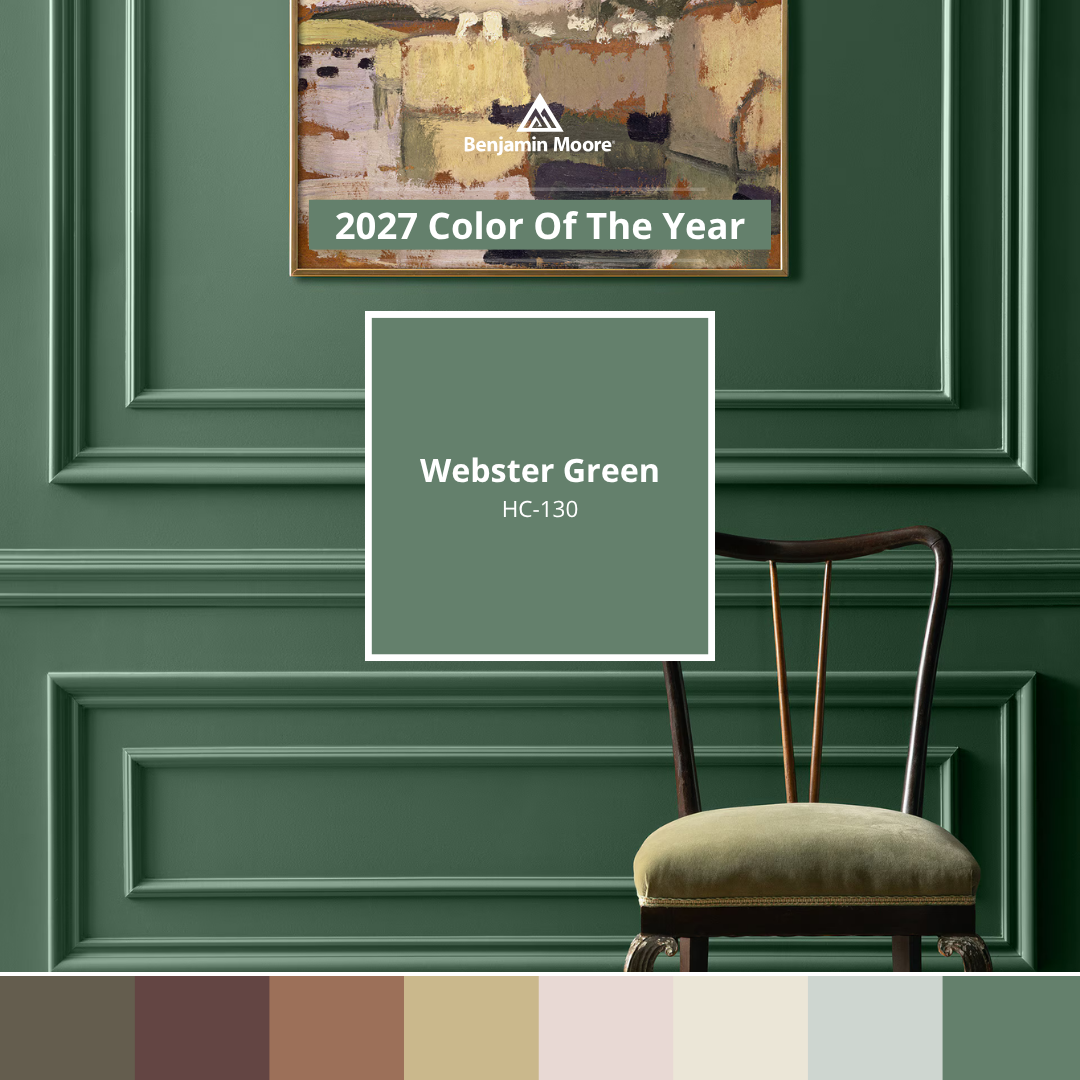
For 50 years, Benjamin Moore's Historical Color Collection has brought the character of 18th- and 19th-century design into modern homes. From the quiet confidence of Stonington Gray to the bold statement of Heritage Red, these are the shades that never go out of style. Take a look back at where the collection began, and discover the ten colors still shaping homes today.