Your Cart is Empty


If you've ever stood in front of a wall of paint cans wondering why some say "interior" and others say "exterior," you're not alone. It's one of the most common questions we hear atClement's Paint, and the answer is simpler than you might think.
The main difference comes down to what each paint is designed to handle.Interior paint is formulated for life inside your home, where conditions stay relatively stable.Exterior paint is built to protect outdoor surfaces from sun, rain, temperature swings, and everything else Texas weather throws at it. While they might look similar in the can, these two types of paint are engineered for very different purposes. Using the wrong one can lead to peeling, fading, or a finish that just doesn't hold up over time.
Let's take a closer look at what sets them apart and how to choose the right paint for your next project.

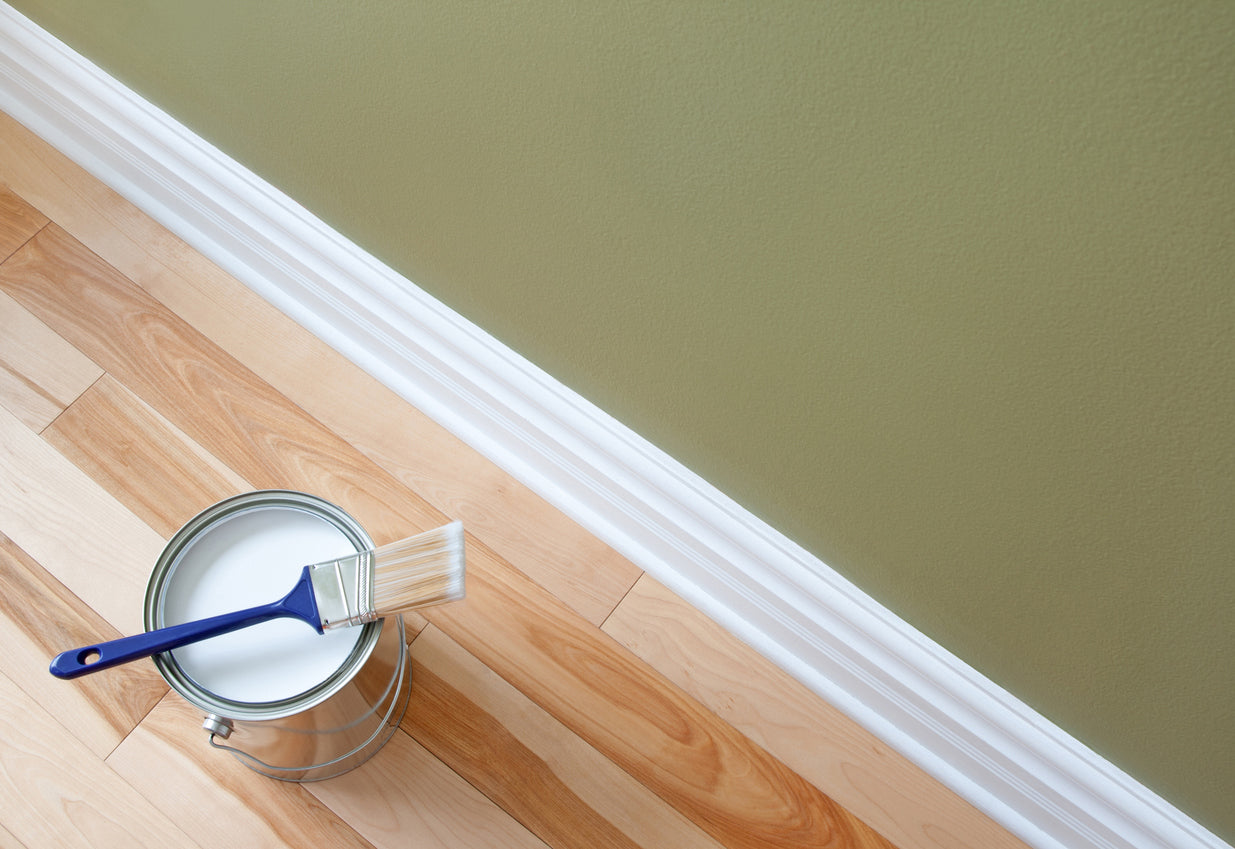
Interior paint is made with your comfort and indoor air quality in mind. Since you'll be living, working, and breathing in the spaces you paint, manufacturers focus on creating formulas with lowvolatile organic compounds (VOCs) and low odor. This means less of that strong "paint smell" and fewer chemicals off-gassing into your home after the job is done.
Most interior paints today are water-based, often called latex paint. These formulas clean up easily with soap and water, dry quickly at room temperature, and provide a smooth surface that looks great on walls, ceilings, and trim. Water-based paint also tends to resist yellowing over time, which is especially important in rooms with limited natural light.
Interior house paint comes in a wide range of finish options to suit different needs. Flat and matte finishes hide imperfections well and work beautifully on ceilings and low-traffic areas. Eggshell and satin finishes offer a subtle sheen that's easier to clean, making them popular choices for living rooms, bedrooms, and hallways. Semi-gloss and high-gloss finishes stand up to scrubbing and moisture, which is why you'll often see them on trim, doors, bathrooms, and kitchens.
Because interior surfaces don't face the same challenges as outdoor ones, interior paint prioritizes appearance, coverage, and cleanability over weather protection. The resins and binders in these formulas create a finish that looks beautiful and holds up to everyday life inside your home.
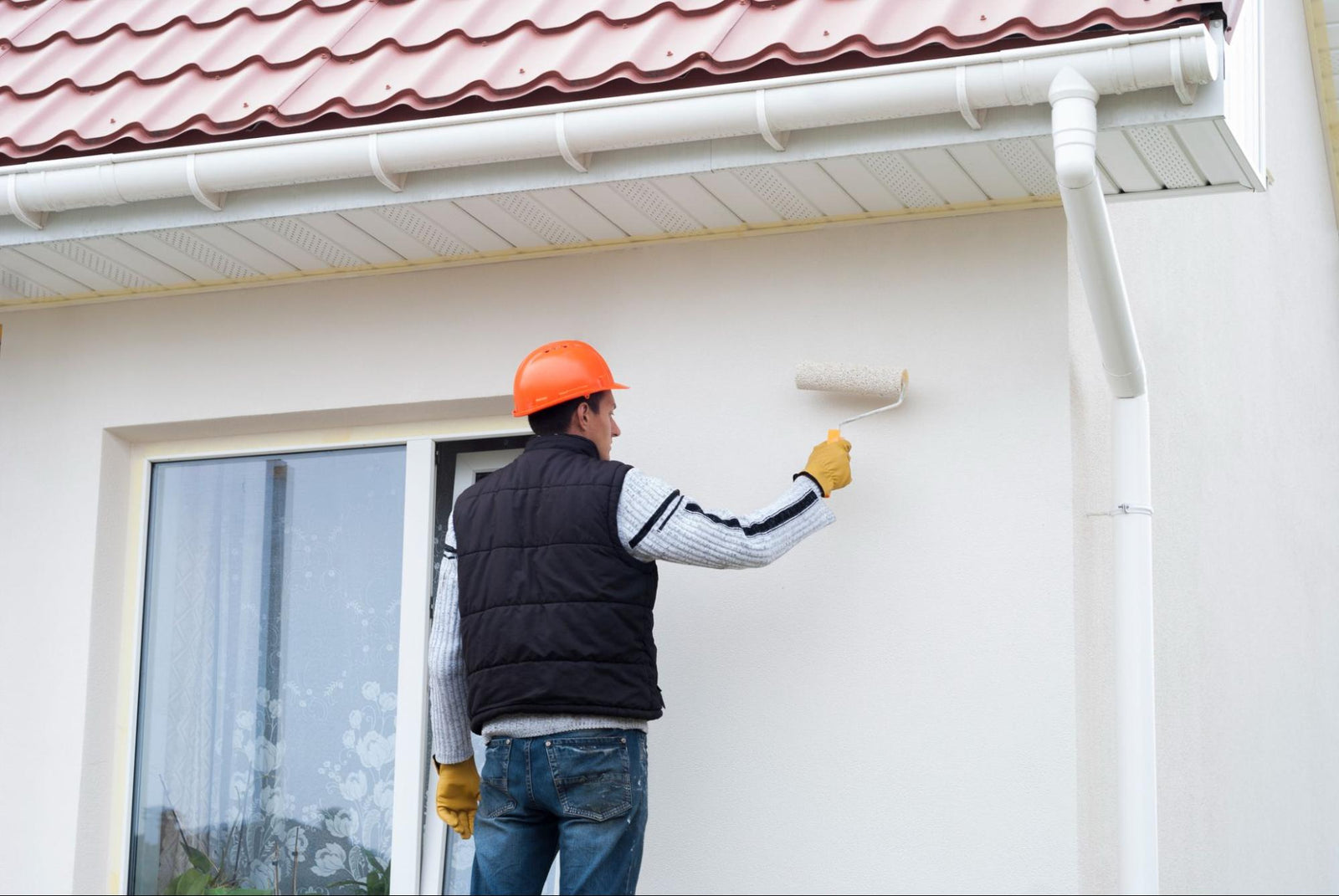
Step outside, and the rules change completely. Exterior paint has to handle direct sunlight, heavy rain, humidity, temperature extremes, and even mildew growth. That's a tall order, and it requires a completely different approach to formulation.
Exterior house paint contains rigid resins and special additives that allow the finish to expand and contract with changing weather conditions. In Central Texas, where a single day can swing from cool mornings to blazing afternoon heat, this flexibility prevents cracking and peeling. The binders in exterior-formulated paint also provide excellent adhesion, helping the coating grip tightly to wood, stucco, brick, and other outdoor surfaces.
Water resistance is another major factor. Exterior paint creates a protective barrier that keeps moisture from penetrating the surface beneath. This is especially important for preventing rot on wood siding and trim. Many exterior formulas also include mildew resistance to fight off the growth that thrives in damp conditions and shaded areas.
You'll find both acrylic paint and oil-based paint options for exterior use. Acrylic latex paints have become the go-to choice for most exterior painting projects because they offer exceptional durability, retain color well in direct sunlight, and clean up easily. Oil-based paints still have their place, particularly for certain trim work and surfaces that need extra protection, though they take longer to dry and require mineral spirits for cleanup.
The finish options for exterior paint tend to favor function over variety. Flat and satin finishes are common for siding, while semi-gloss works well for trim, shutters, and doors where you want a bit more sheen and easier cleaning.
Here's where things can go sideways. It might be tempting to use whatever paint you have on hand, but interior and exterior paints really aren't interchangeable.
If you use interior paint on an exterior wall or outdoor surface, you'll likely see problems within months. Interior formulas simply aren't designed to handle harsh weather and UV exposure. The finish will fade, chalk, crack, and peel as the paint breaks down under conditions it was never meant to face. That quick shortcut ends up costing more time and money when you have to strip and repaint the surface properly.
Going the other direction causes different issues. Exterior paint used indoors can release higher levels of VOCs and produce stronger odors that linger in enclosed spaces. Some exterior formulas contain fungicides and other additives that are fine for outdoor use but not ideal for the air inside your home. The finish may also be too rigid for interior applications, leading to cracking in areas where walls settle or flex slightly.
The bottom line: choosing the right paint for each application gives you better results and a longer-lasting paint job. It's worth the few extra minutes to grab the correct can.

Selecting the best paint for your project starts with understanding where and how the painted surface will be used. Here are some practical guidelines to help you decide:
For interior walls and ceilings:Choose a quality interior latex paint in the finish that matches the room's function. Living areas and bedrooms do well with eggshell or satin. Bathrooms and kitchens benefit from semi-gloss for moisture resistance and easy cleaning.
For interior trim, doors, and cabinets:Semi-gloss or high-gloss interior paint provides a hard, cleanable surface that stands up to fingerprints and scuffs.
For exterior siding and large surfaces:Acrylic latex exterior paint offers the best balance of protection, color retention, and ease of application. Look for premium quality formulas with strong UV and mildew resistance.
For exterior trim and high-wear areas:A semi-gloss exterior paint adds a layer of protection and makes these surfaces easier to maintain over time.
For challenging conditions:If you're painting a surface exposed to heavy rain, constant shade, or extreme temperature swings, talk to a paint expert about specialty products designed for those specific situations.
The quality of the paint matters too. Premium paints from trusted manufacturers likeBenjamin Moore contain better pigments, resins, and additives that deliver superior coverage, color accuracy, and longevity. While budget paints might save a few dollars upfront, they often require more coats and more frequent repainting.

Understanding the difference between interior and exterior paint is the first step toward a successful project. The next step is finding quality products and people who can help you make the best choice for your specific situation.
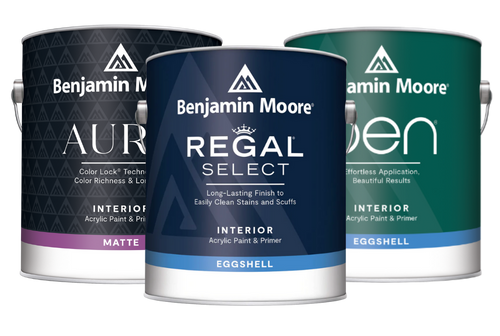
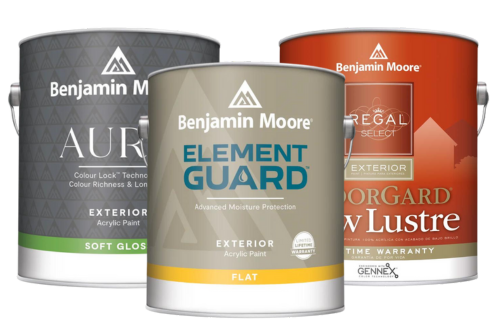
AtClement's Paint, we've been helping Austin homeowners, designers, and contractors with their paint projects since 1986. As Austin's oldest Benjamin Moore dealer, we carry a full range ofinterior andexterior paints, primers, and stains formulated to deliver beautiful, long-lasting results. Our team knows these products inside and out, and we're always happy to answer questions, offer recommendations, and help you find exactly what you need.
Whether you're refreshing a single room or taking on a full exterior painting project, stop by any of ourlocations throughout the greater Austin area. We'll help you get the right paint for the job so you can enjoy a finish that looks great and lasts for years to come.


For 50 years, Benjamin Moore's Historical Color Collection has brought the character of 18th- and 19th-century design into modern homes. From the quiet confidence of Stonington Gray to the bold statement of Heritage Red, these are the shades that never go out of style. Take a look back at where the collection began, and discover the ten colors still shaping homes today.