Your Cart is Empty

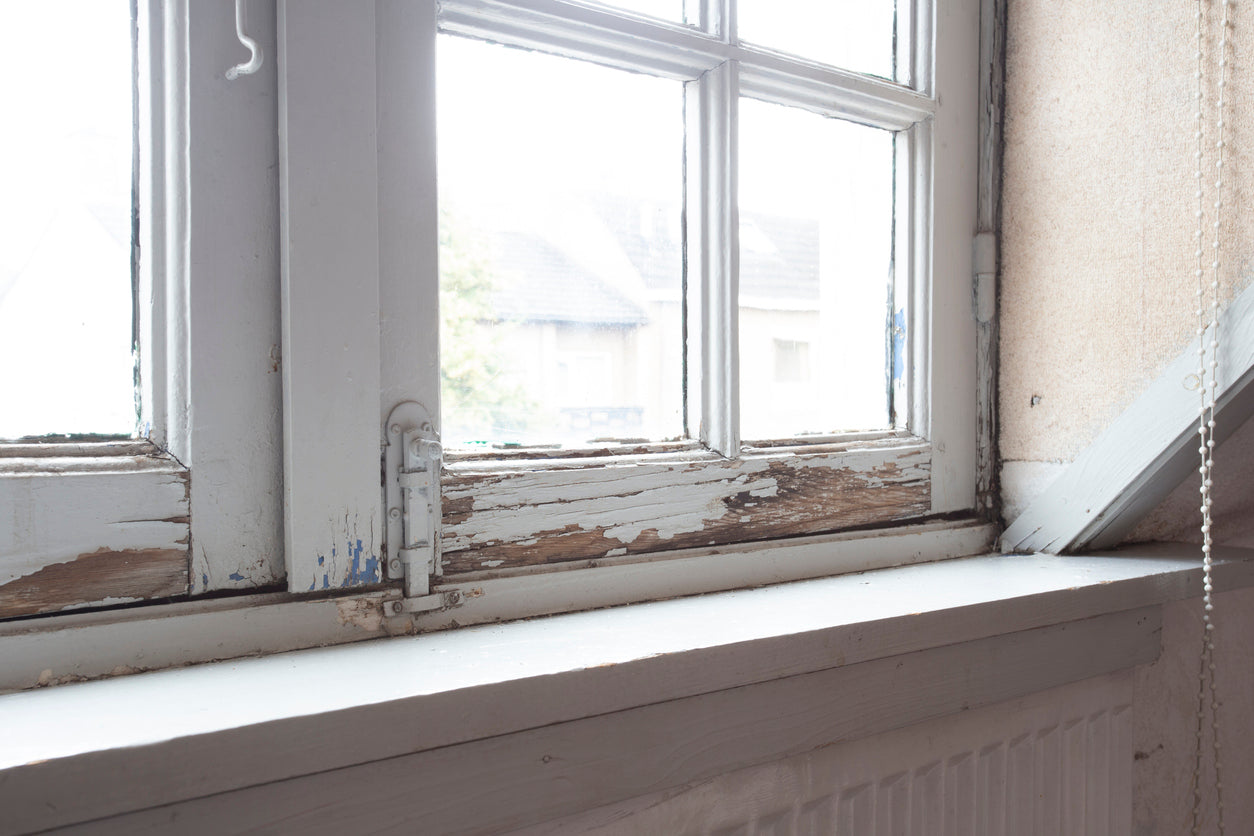

The Short Answer: Paint typically peels or cracks due to poor prep work, moisture problems, or using incompatible paint types like mixing oil-based paint with latex paint. These paint issues can be fixed through proper surface preparation, using appropriate primers and paint products, and addressing any underlying moisture problems.
When peeling paint starts appearing, it's more than just an eyesore—it's often a warning sign of underlying issues that need attention. These surface problems can significantly impact your home's appearance and potentially lead to more serious damage if left unaddressed. Paint failure not only affects your property's curb appeal but can also decrease its market value and lead to costly repairs down the road.
Understanding why paint peels and knowing how to fix it properly saves both time and money. We'll explore the common causes of paint peeling and cracking, from moisture issues to application mistakes. We'll also walk through proven solutions to restore your painted surfaces and prevent these problems from happening again. Whether you're dealing with interior walls or exterior siding, you'll learn the professional techniques needed to achieve lasting results.

Surface prep work and preparation mistakes rank among the most frequent causes of paint problems. When dirty surfaces aren’t properly cleaned before painting, oils and other contaminants prevent paint adhesion and proper bonding. A quick wipe-down isn’t enough. Surfaces need a thorough wash with the right cleaner, and in kitchens that often means using a degreaser to cut through cooking residue on walls, cabinets, and trim. Skipping sanding leaves a glossy surface that new paint can’t grip, which leads to peeling and flaking. Likewise, failing to use primer on bare plaster or when making dramatic color changes sets the stage for adhesion issues and uneven coverage. In kitchen spaces, a stain-blocking primer is also important for sealing in old stains, discoloration, and lingering odors so they don’t bleed through the new paint.
Moisture is paint’s biggest enemy. External moisture from rain or sprinklers can work its way through walls and into interior surfaces, causing paint to peel from underneath. Inside homes, high humidity in bathrooms and kitchens creates constant moisture stress on painted surfaces. Painting during rainy or humid weather can also cause moisture to get trapped under the paint film, which can lead to peeling and blistering, and even mildew or mold down the line. Hidden plumbing leaks pose a particular threat. They can cause paint to bubble and peel long before the water damage becomes obvious. Paint failure often serves as the first warning sign of moisture problems within walls.
Using the wrong type of paint for a surface or environment leads to premature failure. For example, using interior paint outside or latex paint over oil-based paint without proper preparation can cause adhesion problems. Paint that isn’t mixed thoroughly can result in uneven color and texture. Poor application techniques like painting in direct sunlight, applying paint too thickly, or not allowing proper drying time between coats can create lasting issues. Keep in mind that dry and recoat times shift with conditions. They’re typically shorter in higher temperatures and lower humidity, and longer in lower temperatures and higher humidity.
Daily and seasonal temperature changes cause materials to expand and contract, testing paint’s flexibility. In areas with intense sun exposure, UV radiation breaks down paint over time, causing fading and deterioration. Harsh weather conditions, including extreme dryness, driving rain, and high winds, accelerate wear on exterior paint jobs. Another factor homeowners don’t always expect is yellowing on trim and doors painted with oil-based or hybrid alkyd paints. The resins in these coatings can yellow when exposed to ammonia, which is found in many household cleaners and can also be present in the gases released by nearby acrylic paint while it’s drying and curing. These environmental stresses affect even properly applied paint, though quality products and correct application help resist damage longer.
Paint problems andpeeling paint usually show specific patterns that help pinpoint their causes. Understanding these patterns makes it easier to fix paint issues correctly the first time.
Paint peel happens when the top layer separates from lower layers, often appearing as thin flakes or chips. Deep peeling occurs when paint pulls away from the surface material itself, taking all paint layers with it. Spot peeling shows up in isolated areas, frequently around windows or near roof edges where moisture tends to collect.
Hairline cracks appear as fine, straight lines that follow interior walls or corners. These often result from normal house settling. Alligator cracking creates a pattern that looks like reptile skin, with connected cracks forming irregular patches. This typically happens when latex paint is applied too thickly. Mud cracking shows up as deep, wide cracks that reach down to the surface, often caused by paint drying too quickly in hot conditions.
Exterior walls face the most stress from weather changes and extreme dryness, making them prone to peeling paint and cracking. Bathrooms present unique challenges due to moisture and temperature swings from showers, which is why many homeowners choose a specializedbath & spa coating designed for these conditions (link to your product/service page here). Window frames often show early signs of paint adhesion failure because they experience repeated exposure to condensation and temperature changes.
Water stains appear as yellowish or brownish marks that indicate moisture problems behind walls or ceilings. Bubbling paint forms raised areas that signal trapped moisture or dirty surface preparation. Discoloration, especially in patches or streaks, points to water damage, sun exposure, or chemical reactions between incompatible latex-based paint types.
These visual clues help identify the root cause of paint problems, allowing for targeted repairs rather than temporary fixes that won't last.
Proper prep work and surface preparation form the foundation of a lasting paint job. Start by thoroughly washing the dirty surface with a mix of mild detergent and water to remove contaminants. For exterior surfaces, use a pressure washer on low settings to avoid damaging the substrate. Once clean, allow the surface to dry completely before moving forward.
Sanding comes next, using medium-grit sandpaper (120-150 grit) to create smooth surfaces and remove any old paint. Pay special attention to rough spots, areas of peeling paint, and any sections showing paint peel. After sanding, wipe down the surface with a tack cloth to remove dust.
Temperature and moisture play major roles in paint adhesion. Paint between35ºF to 100ºF, with humidity as low as possible. Avoid applying paint in direct sunlight or when rain is expected within 24 hours. Use high-quality paintbrushes,rollers, or sprayers matched to your water-based paints or oil-based paint type and surface texture. Natural bristle brushes work well for oil-based paint, while synthetic brushes suit latex paint.
Check painted surfaces twice yearly for signs of paint issues. Clean exterior surfaces annually with mild soap and water. For interior walls, dust regularly and clean spots promptly with a damp cloth. Address any peeling paint quickly - small touch-ups prevent larger issues from developing.
Selectpaint specifically formulated for your surface type - wood, metal, masonry, or drywall. Consider the environment where the primer will serve - high-moisture areas need mold-resistant formulas, while exterior surfaces require UV-resistant options. Always apply anappropriate primer, especially on bare plaster or previously painted surfaces showing wear. Oil-based paint primers work well under any topcoat, while specialty bonding primers help latex paint stick to glossy or hard-to-paint surfaces.

Paint problems like peeling paint and cracking often stem from improper prep work, moisture issues, or using the wrong type of paint for the surface. By understanding these common causes of paint peel, you can take the right steps to prevent these issues and maintain beautiful, long-lasting paint finishes in your interior walls.
Remember these takeaways for lasting paint adhesion:
Always clean and prep surfaces thoroughly to avoid dirty surface problems
Address moisture problems before painting
Use the right primer for your surface
Choose high-quality latex paint suited for your specific project
Follow proper application techniques and drying times
For expert guidance on your painting project, visit your nearestClement's Paint, Austin's trusted Benjamin Moore dealer since 1927. Our experienced staff can help you select the perfect products,paint samples, connect you with reliablepaint contractors, and provide professional advice to avoid common paint problems. Stop by any of ourlocations for a expert product advice, or browse our selection of premium Benjamin Moore paints and supplies on our site.
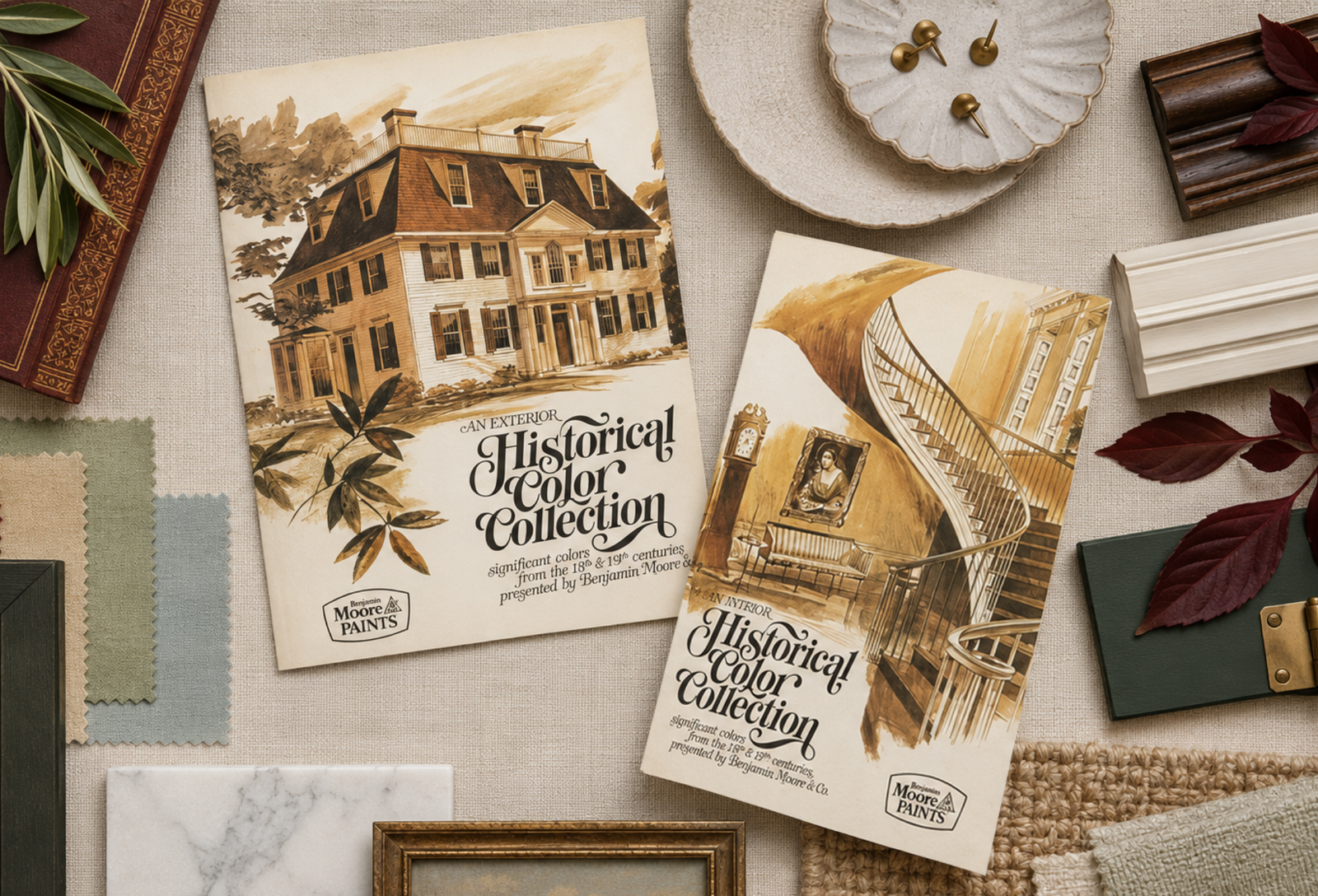

For 50 years, Benjamin Moore's Historical Color Collection has brought the character of 18th- and 19th-century design into modern homes. From the quiet confidence of Stonington Gray to the bold statement of Heritage Red, these are the shades that never go out of style. Take a look back at where the collection began, and discover the ten colors still shaping homes today.